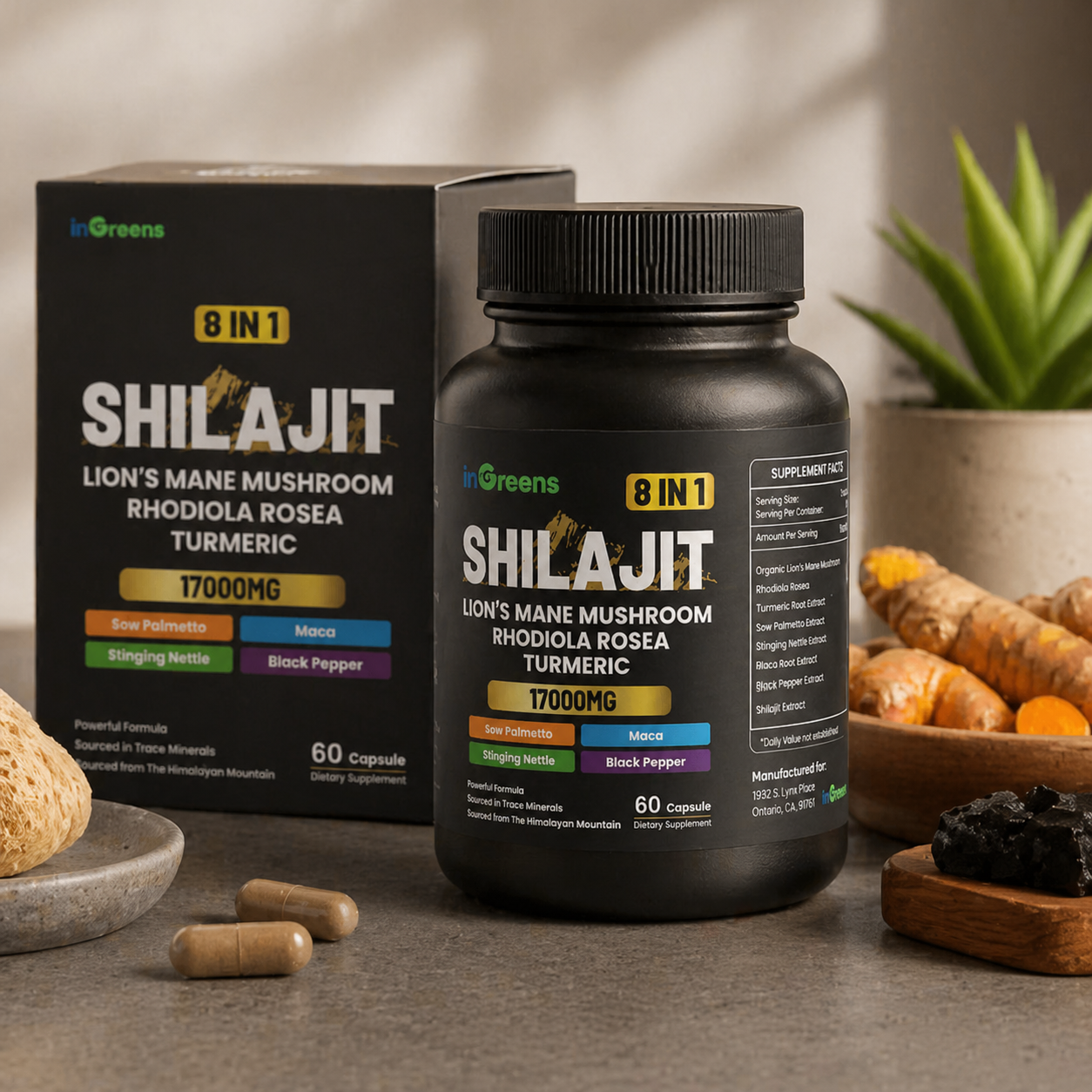
Supplement labels are easy to underestimate because the bottle shape looks familiar. In practice, the label has to carry branding, product identity, flavor or formula cues, Supplement Facts space, directions, barcode and often certification or warning copy. If all of that is planned late, the label becomes crowded fast.
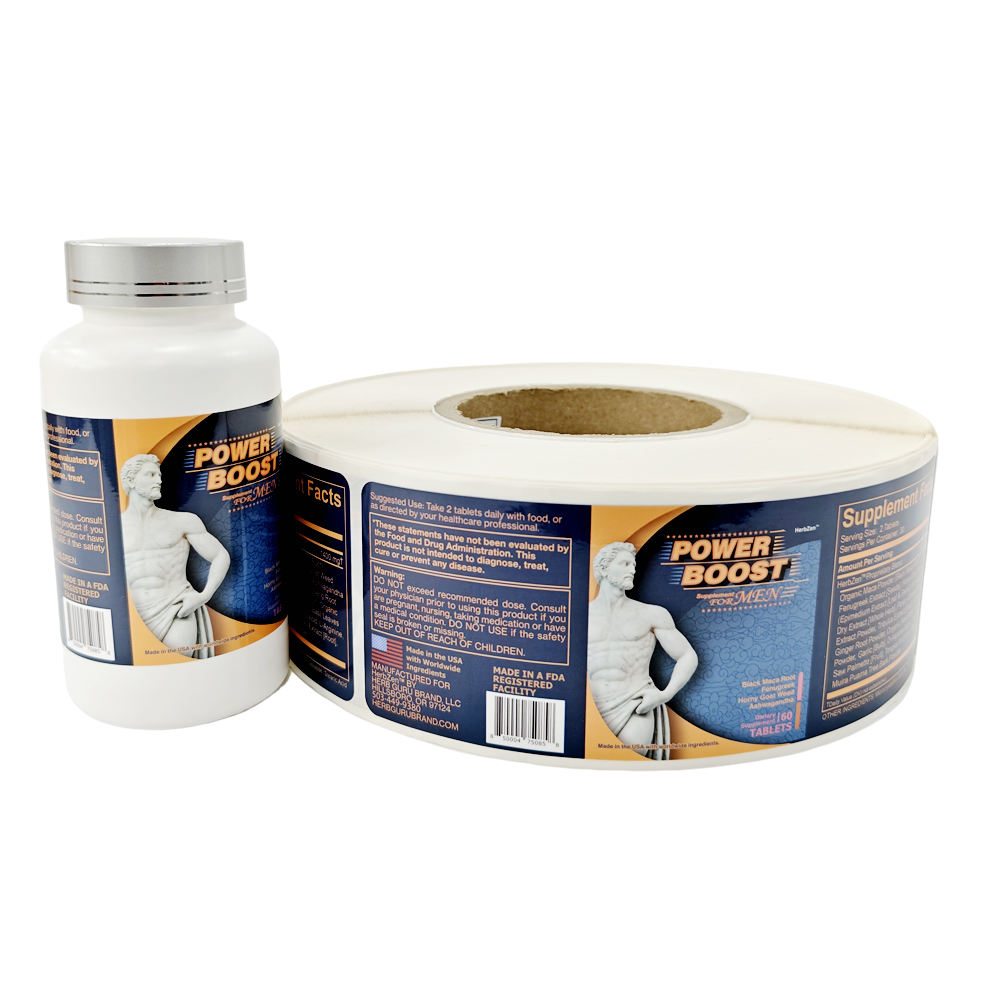
Start with the bottle and information panel
For vitamin, capsule, protein, gummy and wellness products, the bottle size determines how much information the label can carry. A small bottle may need tighter hierarchy, while a larger protein container can support stronger branding and a full back panel.
Before design, confirm the bottle diameter, label height, front panel width and back panel space. Then decide how much room should be reserved for Supplement Facts, ingredient copy, directions, barcode, QR code and company information.
| Vitamin bottles | Need clean front branding, readable Supplement Facts space and a material that handles hand contact. |
|---|---|
| Capsule bottles | Often need compact copy, barcode area and clear SKU separation across formulas. |
| Protein tubs | Need larger wrap labels, strong front panel design and careful alignment for curved containers. |
| Gummy supplements | Often benefit from brighter color systems, but the facts panel still needs enough calm space. |
Compliance space is not decoration
RP can print the label and help make the layout readable, but buyers should confirm the regulatory wording required in their target market. In the United States, FDA supplement labeling guidance and 21 CFR 101.36 describe important Supplement Facts requirements. Do not treat a visual mockup as a compliance review.
Good artwork planning makes compliance review easier because the label already has a clear information area, not a last-minute corner for small text.
What to prepare before a supplement label quote
- Bottle or jar size, with photo if possible
- Target label size and roll direction if known
- Front panel copy, product name and flavor or formula name
- Supplement Facts panel artwork or reserved space requirement
- Barcode, QR code, batch field or expiration field if needed
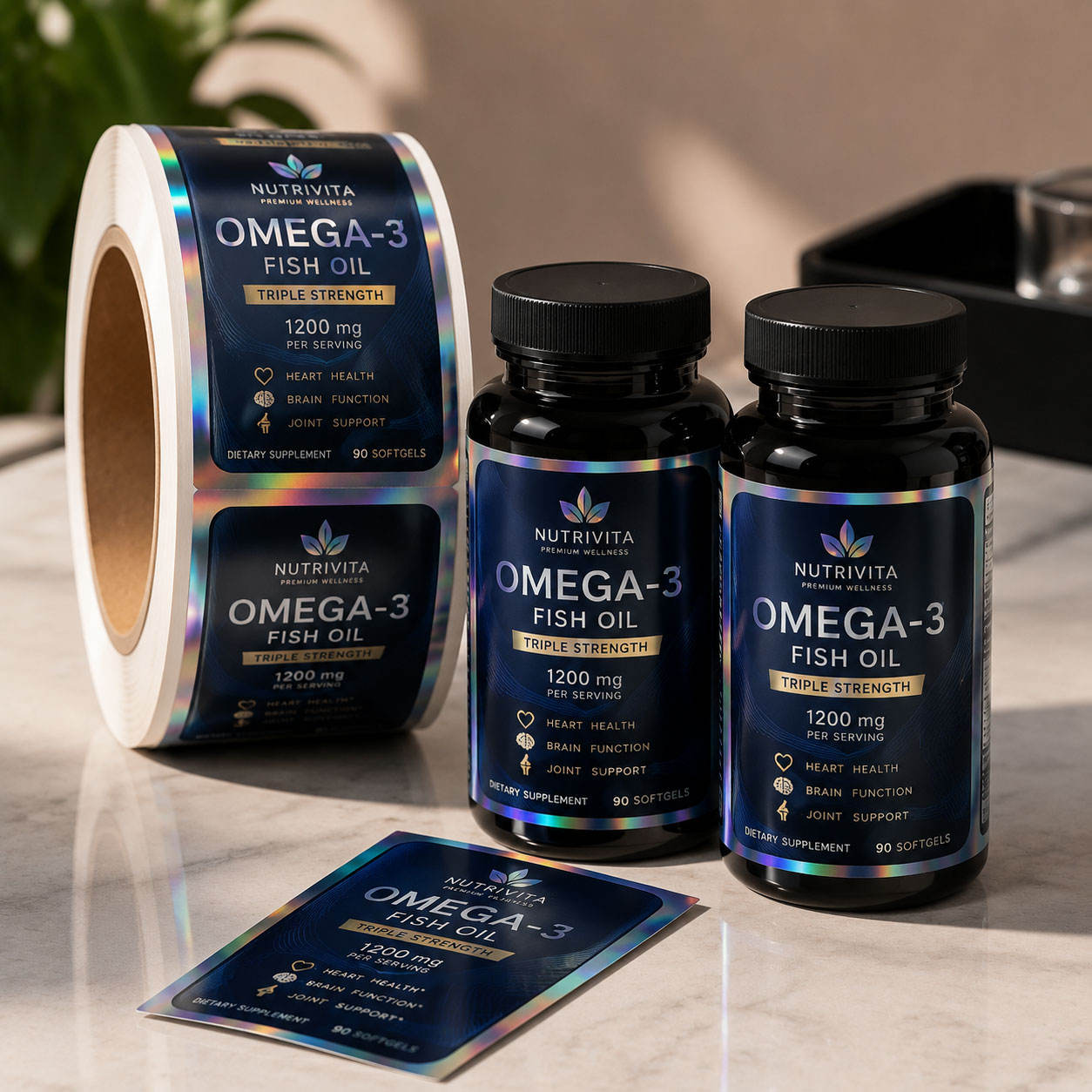
- Material preference: white BOPP, PET, clear film, matte, gloss or foil effect
- Quantity, confirmed on the quote for many custom projects
Choose material for real handling
Supplement bottles are often handled in bathrooms, kitchens, gyms, warehouses and retail environments. White BOPP and PET are common choices because they support clear printing and better moisture resistance than ordinary paper. Matte finish can make the label feel more premium and reduce glare. Gloss finish can make colors look brighter.
Plan SKU families from the beginning
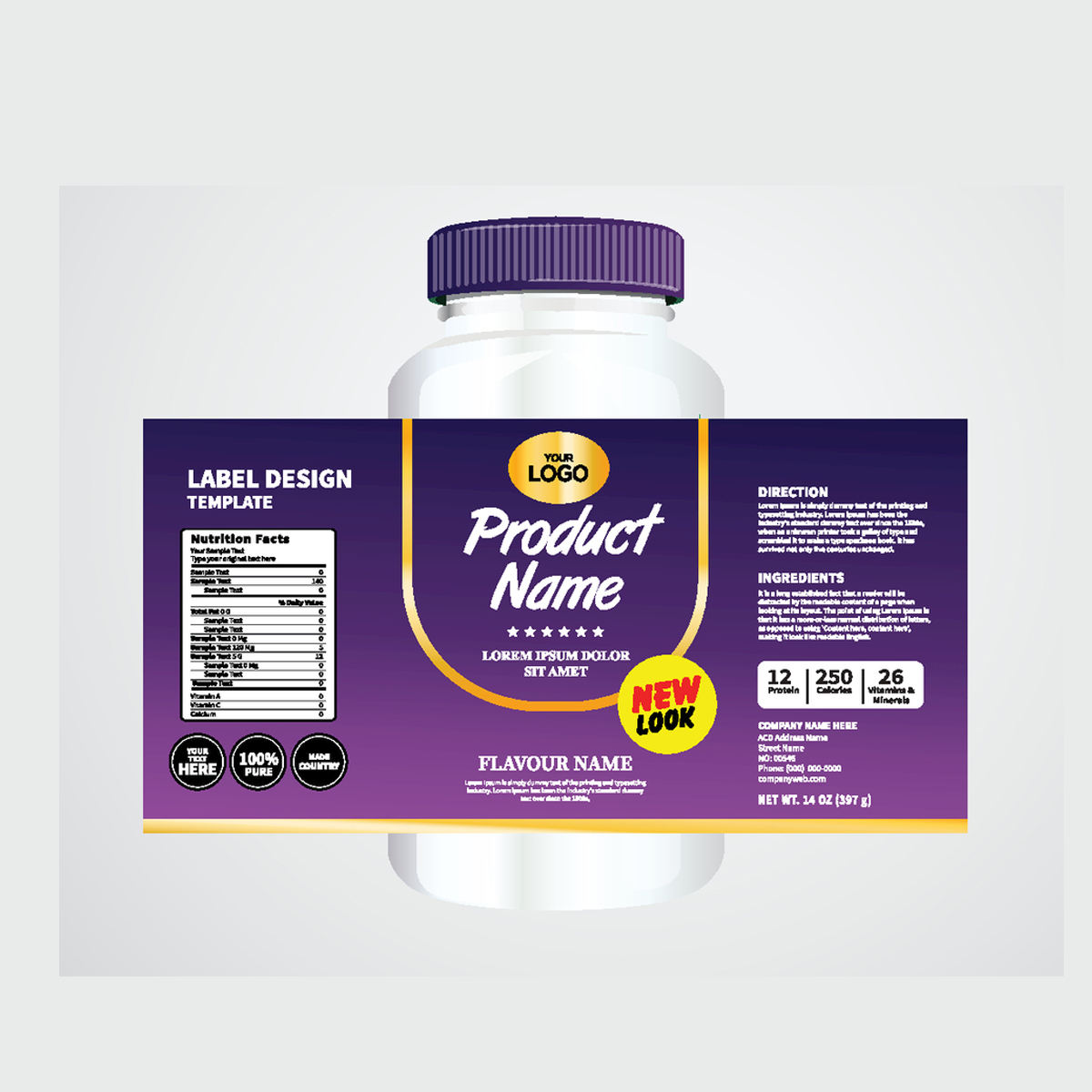
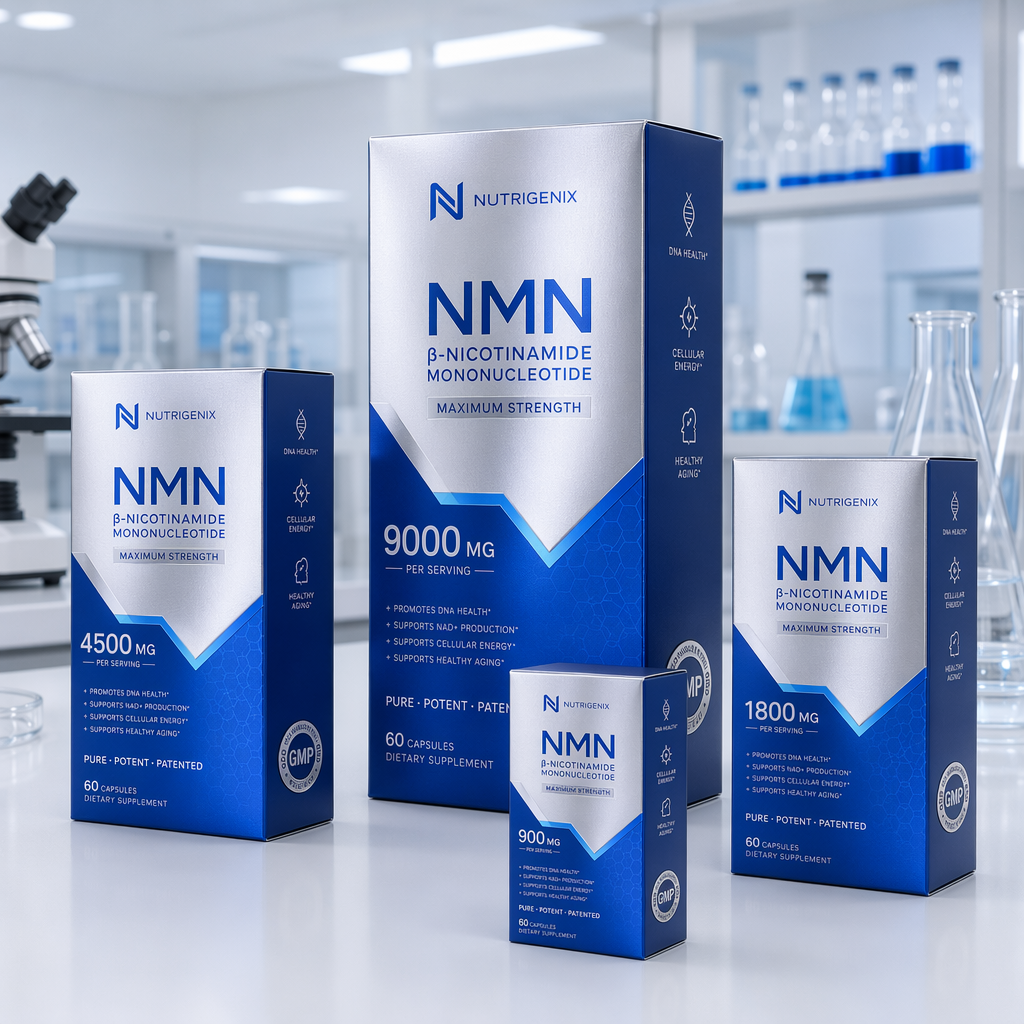
If you expect multiple formulas, build a label system instead of one isolated design. Keep logo position, facts panel placement and barcode area consistent. Change color, flavor mark, icon or formula name between SKUs. This makes future reorders faster and reduces proof mistakes.
Proof review for supplement labels
Review the proof at actual size. Check small text, facts panel spacing, barcode size, color contrast, label edge gap and whether the label fits the bottle curve. If the bottle will be labeled by machine, confirm roll direction before printing.
Need custom supplement labels?
Send bottle size, quantity, artwork or reference style. Ask the quote whether a design suggestion and digital proof are included before production.
Get Supplement Label QuoteFAQ
Can RP design the Supplement Facts panel?
RP can help reserve space and print the layout clearly. Buyers should provide approved facts panel content or confirm requirements with qualified regulatory support.
What material is common for supplement bottle labels?
White BOPP and PET are common for bottle labels because they print clearly and handle moisture better than ordinary paper.
Can supplement labels start at a quantity confirmed on the quote?
Many custom supplement label projects use a minimum confirmed on the quote, depending on material, size, finish and format.