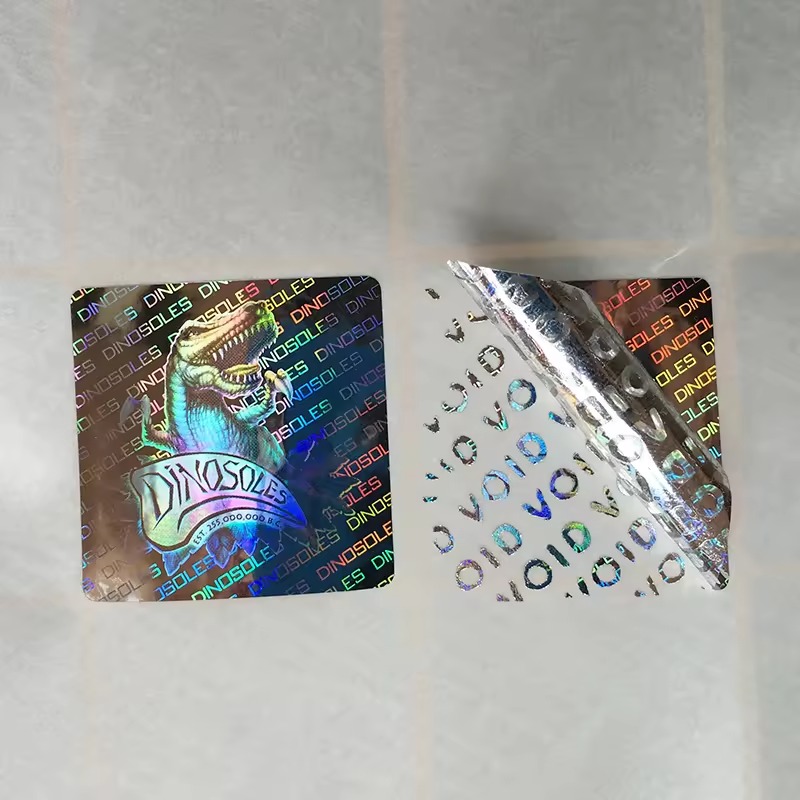
A tamper-evident label is a packaging component, not just a sticker placed after the design is finished. It only has value when its position and construction fit the point a customer would need to open. A beautiful holographic seal placed away from the closure can still leave the package functionally unchecked.
First decide what the seal must reveal
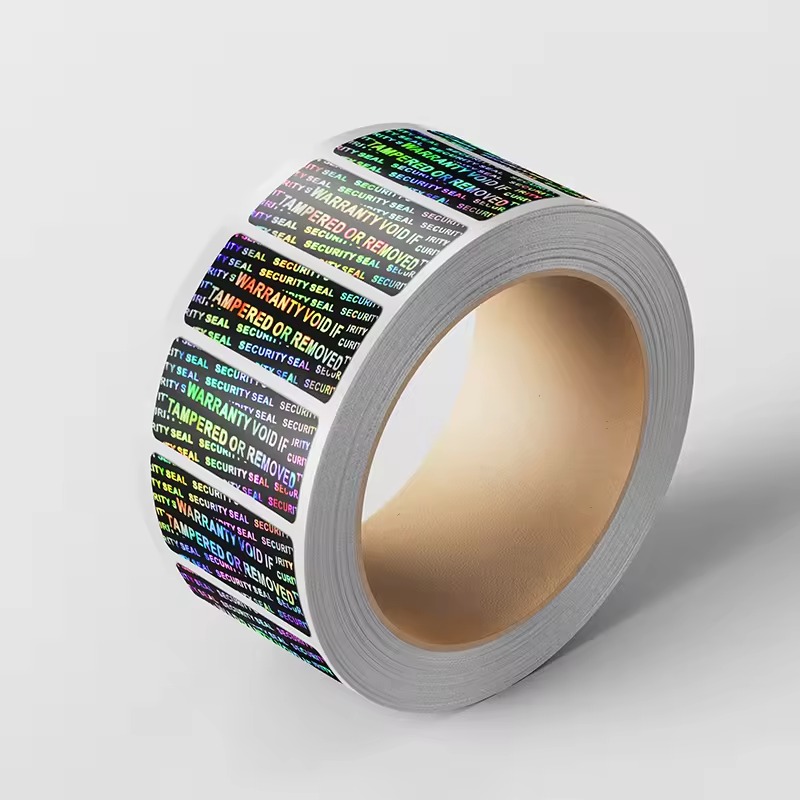
Different packaging projects need different opening evidence. A box flap seal may need to split across the flap and side panel. A bottle cap seal may need to bridge the cap and the bottle neck. A warranty seal may be intended to show removal from a particular device or package surface. The package itself defines the correct shape, size and placement.
| Box flap seal | Bridges the closure line so opening changes the seal condition. Check flap geometry and varnish or coating. |
|---|---|
| Cap-to-bottle seal | Connects the cap and bottle neck. Measure the curve and the available flat contact area. |
| Warranty seal | Applied across an access point, device panel or packaging opening where removal should be visible. |
| Brand-authentication strip | Combines a premium holographic visual with a code, serial field or controlled verification message. |
Test the package surface, not only the label stock
Adhesion and opening evidence can change across matte cartons, coated boxes, textured papers, glass, plastic and curved caps. Packaging seams, dust, oils and low contact area also matter. A proof can confirm layout and placement, but a physical trial on the actual package is the sensible way to validate how a seal behaves in your own workflow.
Holographic effect, void effect and code: give each a job
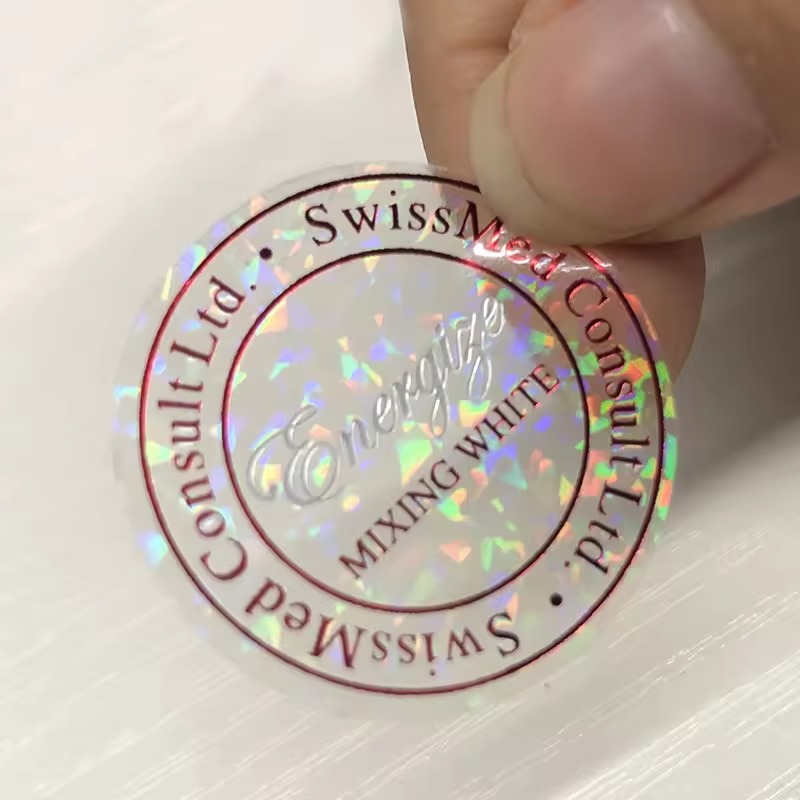
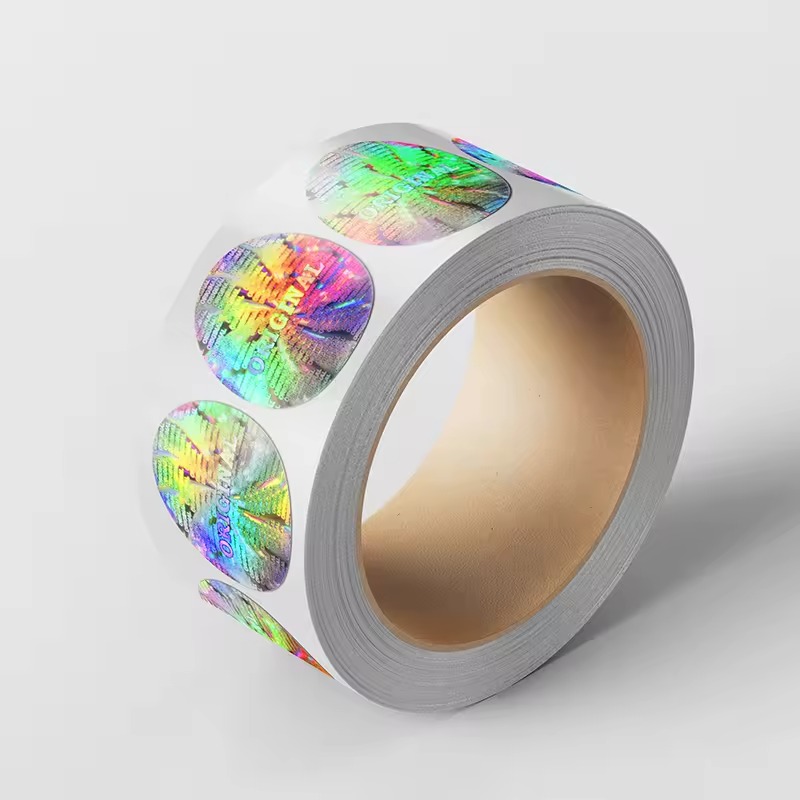
A holographic effect helps a seal stand out and makes a brand element more recognizable. A removal or void feature is intended to give visual evidence once the label is disturbed. A QR or serial field provides a route to your own product information or verification flow. These features are strongest when they work together, with clear limits communicated to the buyer. No single label should be described as a complete solution for every counterfeiting risk.
Before approving a tamper seal proof
- Mark the exact opening line the seal must bridge.
- Send front, side and closure photos of the real package.
- Confirm the application surface: uncoated paper, coated carton, glass, plastic or other material.
- Keep QR and serial zones high contrast and large enough for intended use.
- Decide whether the seal is a one-time opening indicator, a warranty seal or a visual authentication feature.
- Test a physical sample on the final package before ordering a larger run.
Choose a seal shape that respects the opening line
Long narrow strips suit many carton flaps and cap bridges. Round or custom shapes can work for a defined access point, but they must still cover enough of the opening path to make a change visible. Do not choose a shape just because it fills a blank spot in the artwork. Start with the closure and work outward.
What to include in a quote request
Send package photos, the precise placement, approximate seal dimensions, quantity, preferred holographic look, whether a QR or serial field is needed and the expected application method. RP can suggest a suitable custom layout and prepare a digital proof. Security performance should be evaluated against the buyer's actual packaging, process and risk requirements before a full production order.
Plan the seal around the package opening
Send photos of the closure and tell us what the seal should show after opening. We can help turn that into a practical holographic label layout and proof.
Chat on WhatsAppFAQ
Can a tamper seal be used on a curved bottle cap?
It can, but curvature and available contact area need to be evaluated. A photo and dimensions make the proof direction much more reliable.
Does every holographic label leave a void message after removal?
No. Tamper indication depends on the selected label construction and package surface. Confirm the desired behavior before production. We can produce tamper-evident VOID seals for cartons and packing boxes. Whether the VOID message transfers cleanly depends on the packing surface, so we confirm the construction against your actual box or film.
Can I use a custom logo in a holographic tamper seal?
Yes. A logo, pattern, code area and serial field can be planned into a custom layout, subject to the final size and required readability.